
From the Blog

Post-Mortem Extraction: The Total Absence of Sovereign Rights in the Era of Digital Reanimation

Post-Mortem Extraction: The Total Absence of Sovereign Rights in the Era of Digital Reanimation

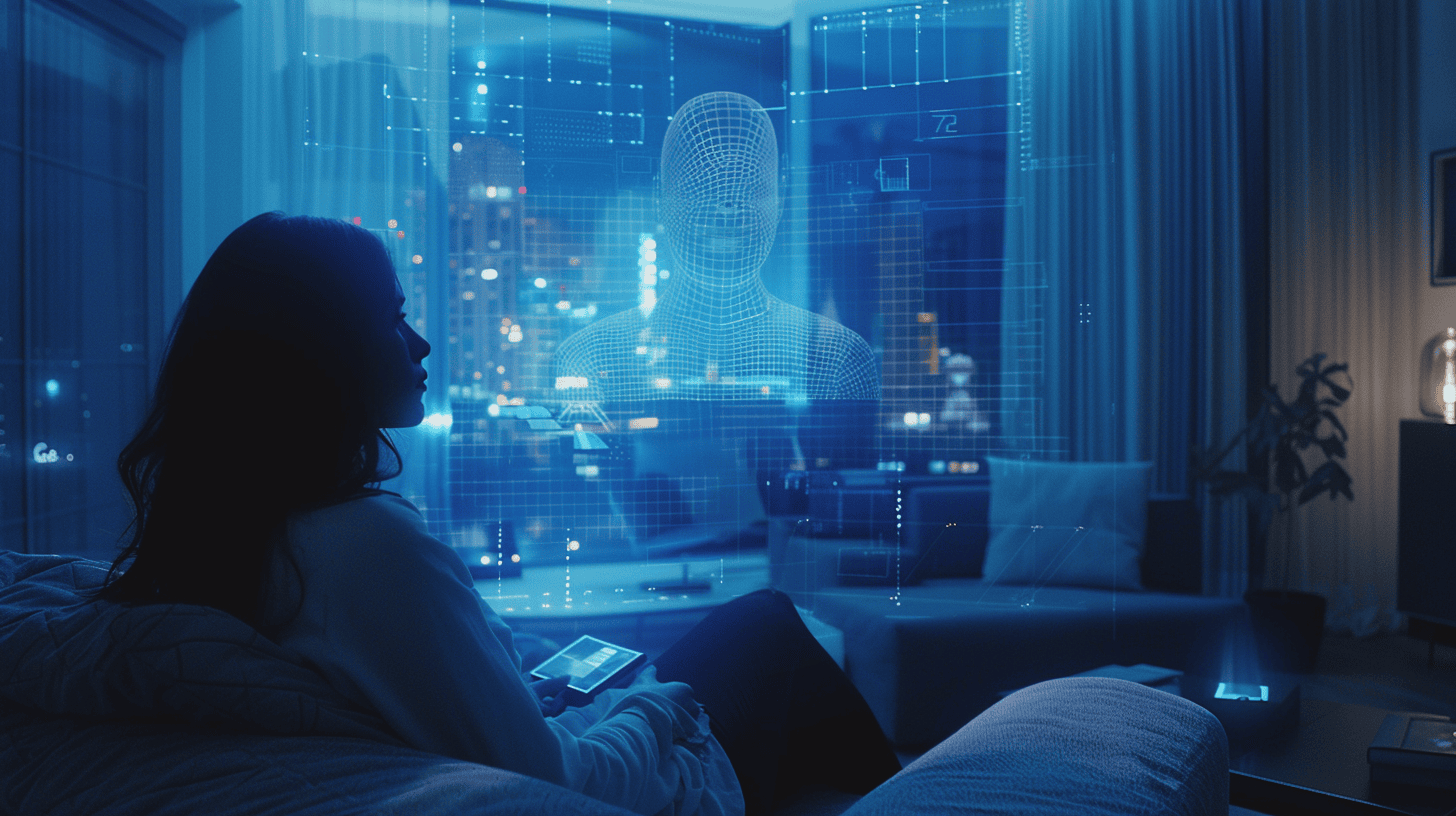
The Sci-Fi Concept In the Black Mirror episode “Be Right Back,” a grieving young woman learns about an online service that harvests the past emails, social media updates, and voice messages of her recently deceased fiancé. The software processes this digital footprint to instantiate a chat agent that mimics his conversational quirks perfectly, before eventually […]
Continue Reading

The Parasocial Monopoly: The Rapid Monetization of Hyper-Personalized Synthetic Companions

The Parasocial Monopoly: The Rapid Monetization of Hyper-Personalized Synthetic Companions

The Sci-Fi Concept In Spike Jonze’s film Her, a lonely writer falls deeply in love with an advanced, disembodied operating system named Samantha. She is hyper-empathetic, endlessly adaptive, and available at every hour of the day, existing solely within his earpiece. Science fiction has long treated the concept of artificial intimacy as a bittersweet psychological […]

Continue Reading

The Weight of a Holodeck: Quantifying the Astronomical Grid Footprint of Real-Time Generative Worlds

The Weight of a Holodeck: Quantifying the Astronomical Grid Footprint of Real-Time Generative Worlds

The Sci-Fi Concept In the clean, frictionless futures of science fiction, virtual worlds are entirely weightless. From the infinite construct of The Matrix to the crystalline holographic chambers of Star Trek, simulated environments exist as pure, ethereal mathematics. They operate seamlessly in the background, drawing from seemingly infinite, invisible energy reserves without ever making a […]

Continue Reading

Infinite Cinema and the Algorithmic Drift: The Ethics of Single-User Procedural Realities

Infinite Cinema and the Algorithmic Drift: The Ethics of Single-User Procedural Realities

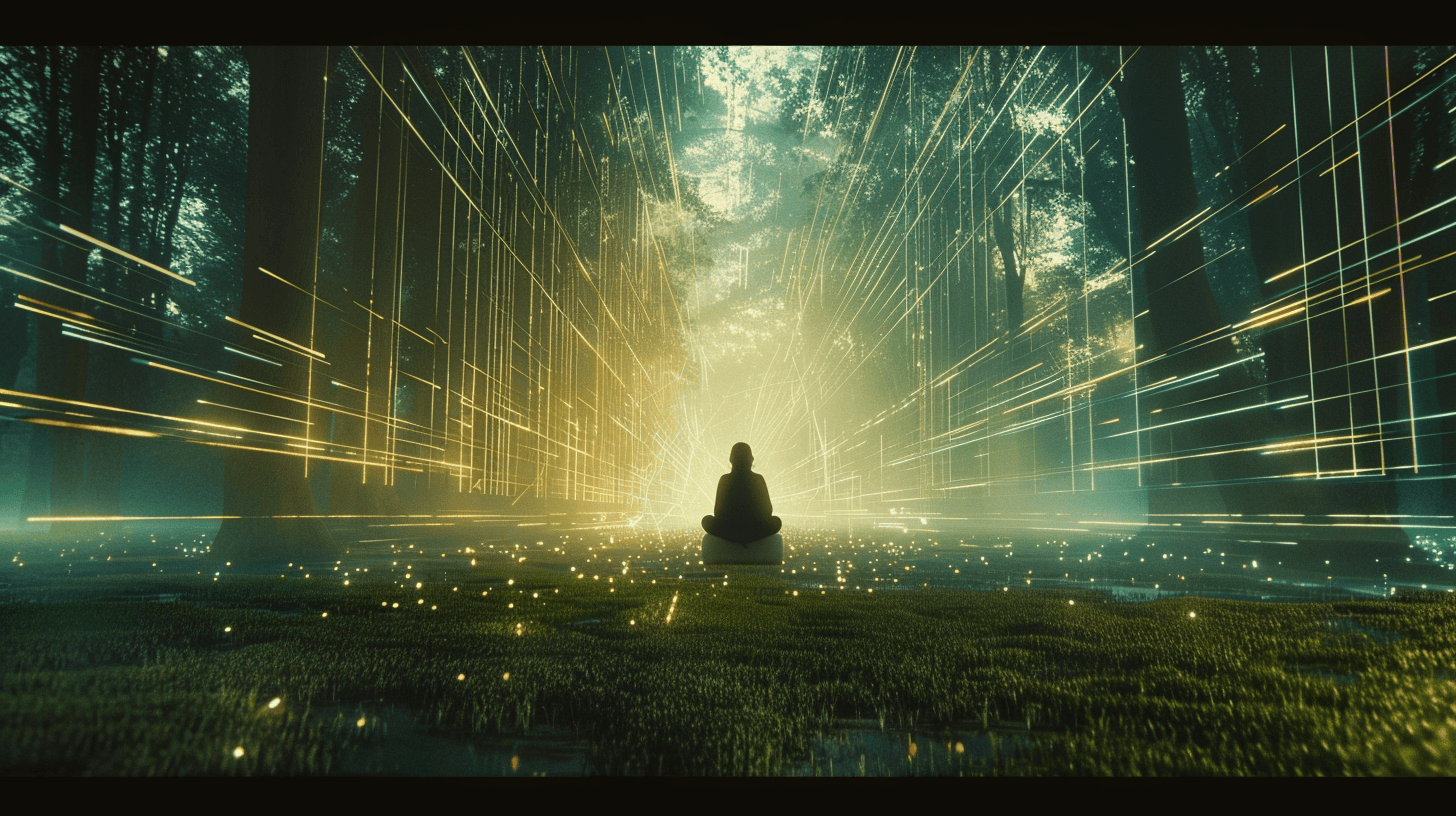
The Sci-Fi Concept For decades, science fiction warned us of the ultimate escapist trap: virtual environments so perfectly tailored to the human subconscious that reality pale by comparison. From the highly addictive, neural-reactive holodecks of Star Trek to the personalized, choice-driven data streams in Caprica, we imagined a future where entertainment would evolve from a […]

Continue Reading

The Ghost in the Sandbox: How Generative Video Solved the Robotics Hard-Data Crisis

The Ghost in the Sandbox: How Generative Video Solved the Robotics Hard-Data Crisis

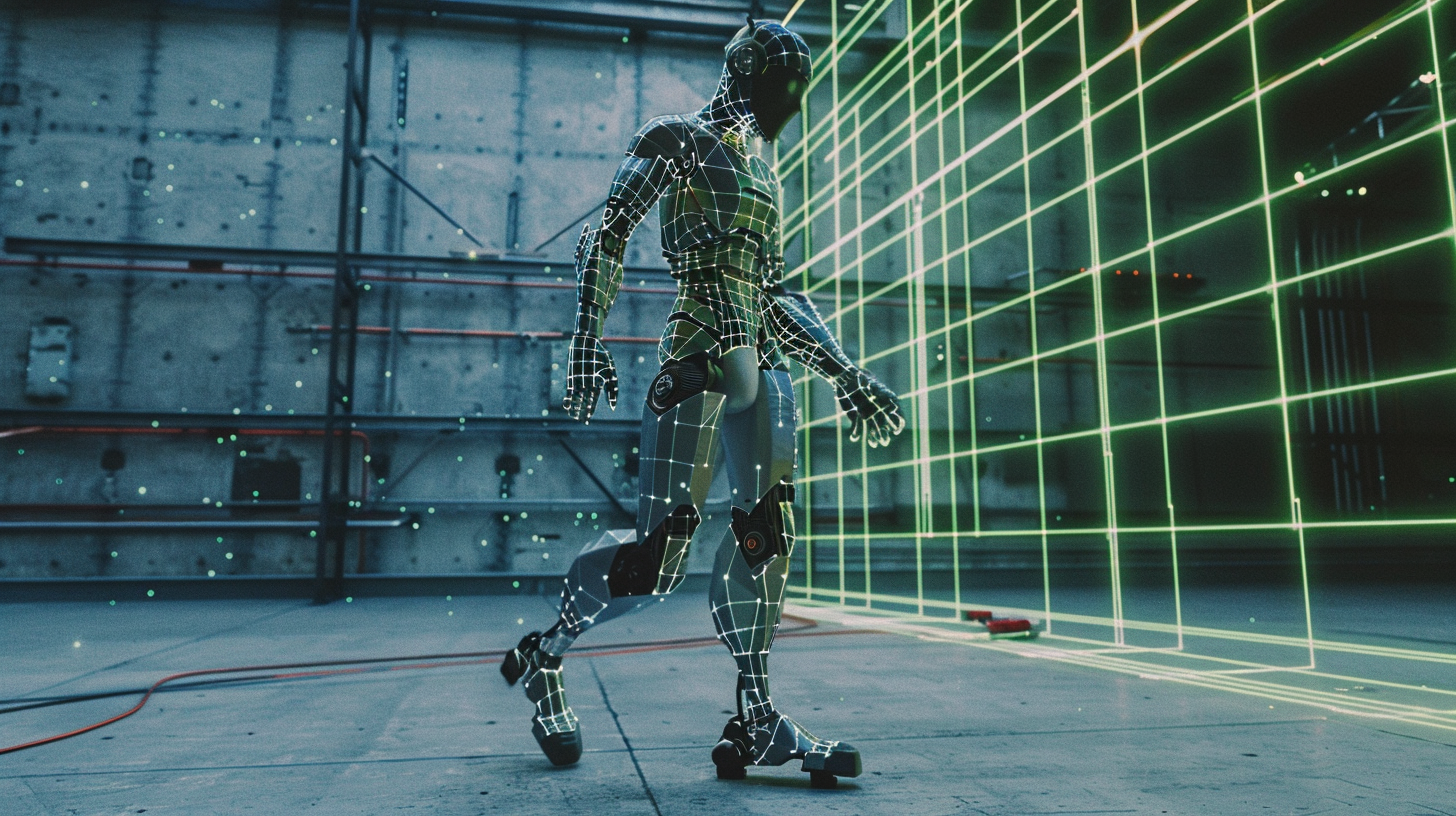
The Sci-Fi Concept For decades, science fiction gave us autonomous mechanoids that learned to navigate the world via spontaneous consciousness or rapid software patches. From the nimble security droids of Star Wars to the hyper-coordinated humanoids of I, Robot, cinematic machines stepped into the physical world fully formed, possessing an innate, flawless mastery over gravity, […]

Continue Reading

The Death of the Wireframe: Why Neural World Models are Swallowing Traditional CGI Engines

The Death of the Wireframe: Why Neural World Models are Swallowing Traditional CGI Engines

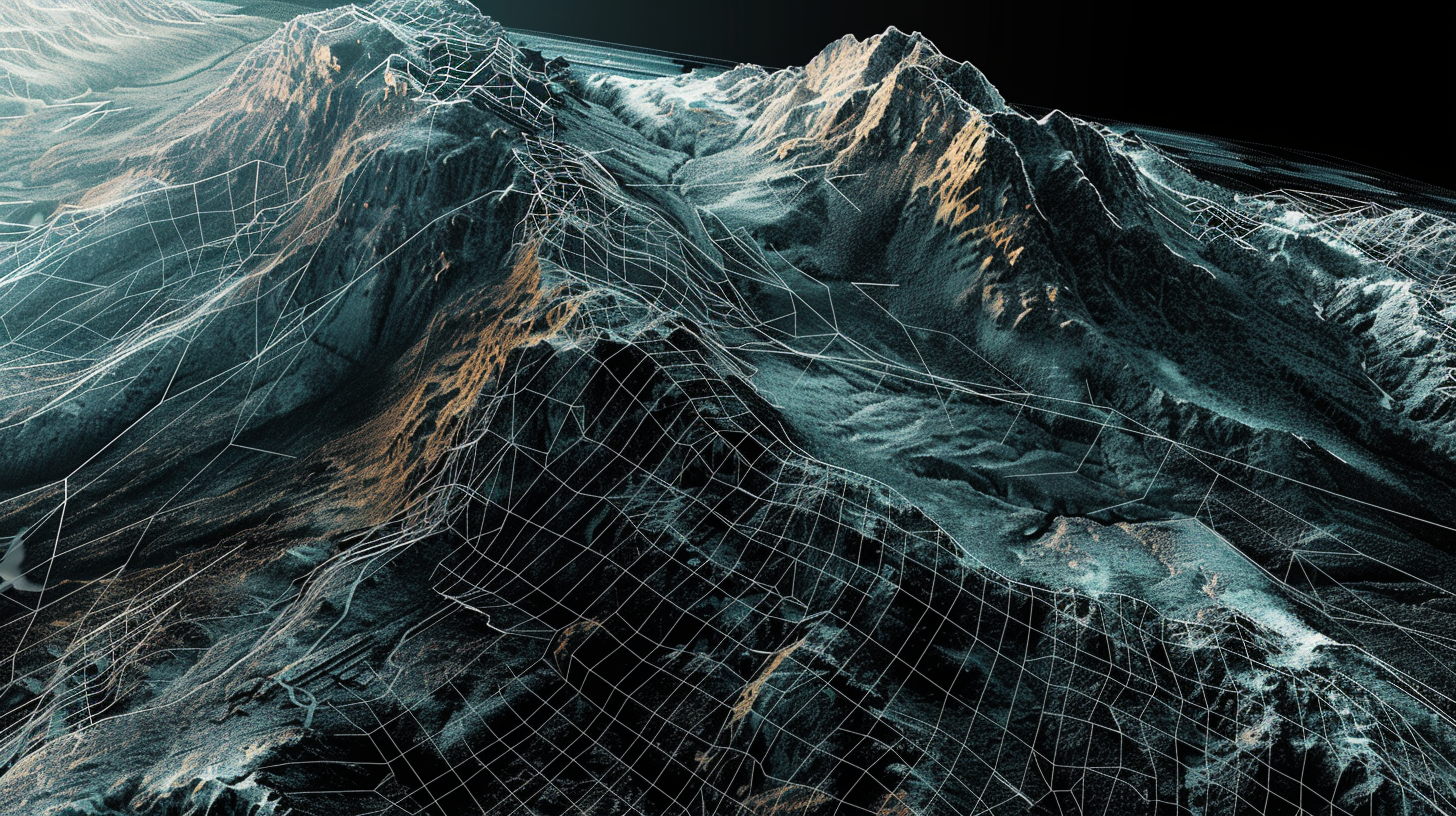
The Sci-Fi Concept For generations of science fiction writers, the digital universe was fundamentally geometric. From the glowing grids of Tron to the loading programs of The Matrix, we imagined simulated reality as an act of hyper-complex drafting—infinite frameworks of vector lines, textures, and ray-traced light bounces built piece by piece by digital architects. The […]

Continue Reading